Why Nigeria has a strong culture of generosity but still struggles with trust in formal philanthropic organisations
2025 Research report
FROM HANDOUTS TO FOUNDATIONS
Have you ever wondered what really happens to the donations people give to support communities and social causes? Do those contributions truly create the change people hope for?
89%
of Nigerians donate money to charitable causes — the highest rate globally (World Giving Report 2025)
Yet despite this strong culture of generosity, an important question remains:
Why does giving not always translate into lasting impact?
500+
Respondents surveyed
6
Key findings


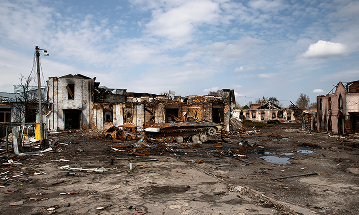
Donors often question where their money goes. NGOs struggle to access consistent funding. Communities sometimes experience projects that start with enthusiasm but fail to deliver sustained change.
At the same time, conversations about philanthropy are growing louder, with new platforms, new ideas, and new promises about how giving can be transformed.

This report takes a closer look at what is really happening in Nigeria’s philanthropy space. Based on research across donors, NGOs, volunteers, and community organisations, it highlights the key challenges shaping philanthropy today and what those realities mean for anyone who cares about the future of giving.
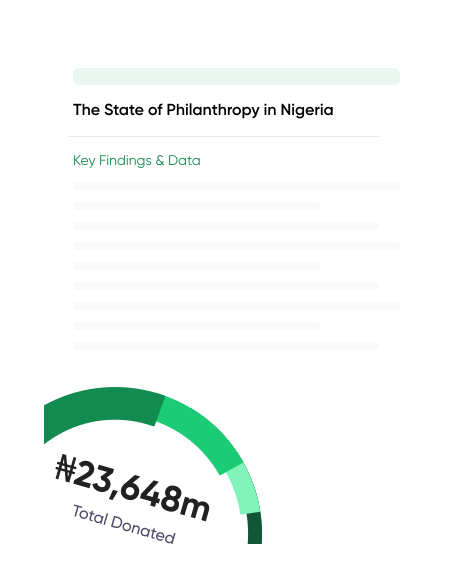
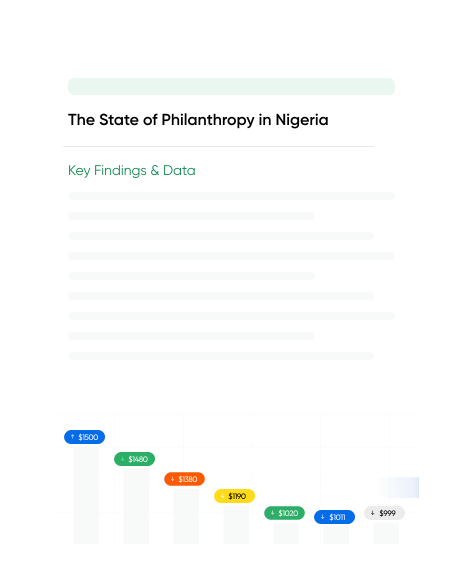
This report offers a clearer view of the realities shaping philanthropy in Nigeria today. Not through assumptions, but through data and insights from people working across the sector.
You will learn:
Why Nigeria has a strong culture of generosity but still struggles with trust in formal philanthropic organisations

The key challenges that prevent giving from translating into sustained social impact

What donors actually look for when deciding where and how to give

Why transparency, verification, and accountability matter for building donor confidence

How better coordination between donors, NGOs, volunteers, and communities can strengthen the impact of giving
Why Nigeria has a strong culture of generosity but still struggles with trust in formal philanthropic organisations
The key challenges that prevent giving from translating into sustained social impact
What donors actually look for when deciding where and how to give
Why transparency, verification, and accountability matter for building donor confidence
How better coordination between donors, NGOs, volunteers, and communities can strengthen the impact of giving

Inside the report
01
Findings from surveys and interviews with philanthropists, NGOs, volunteers, and social impact practitioners.
02
Why many donors remain cautious about funding NGOs and social initiatives.
03
How fragmentation, weak coordination, and lack of shared standards reduce the effectiveness of philanthropic efforts.
04
Why people give, what drives philanthropic behavior, and what helps build trust between donors and organizations.
05
What Nigeria can learn from initiatives and platforms that are strengthening transparency and accountability in other parts of the world.
06
Practical ideas for improving transparency, coordination, and trust within the philanthropy space.
Report
Philanthropy in Nigeria does not suffer from a lack of goodwill.
What’s often missing is the structure and transparency that help generosity translate into real impact.
Download the report to explore the research, insights, and ideas shaping the future of philanthropy in Nigeria.